
Harvest Cash Flow: Bridging the Gap Between Input Costs and Grain Checks
Why the gap between spring input spending and fall grain revenue is the tightest stretch of the year, and how to finance through it without stress-selling.

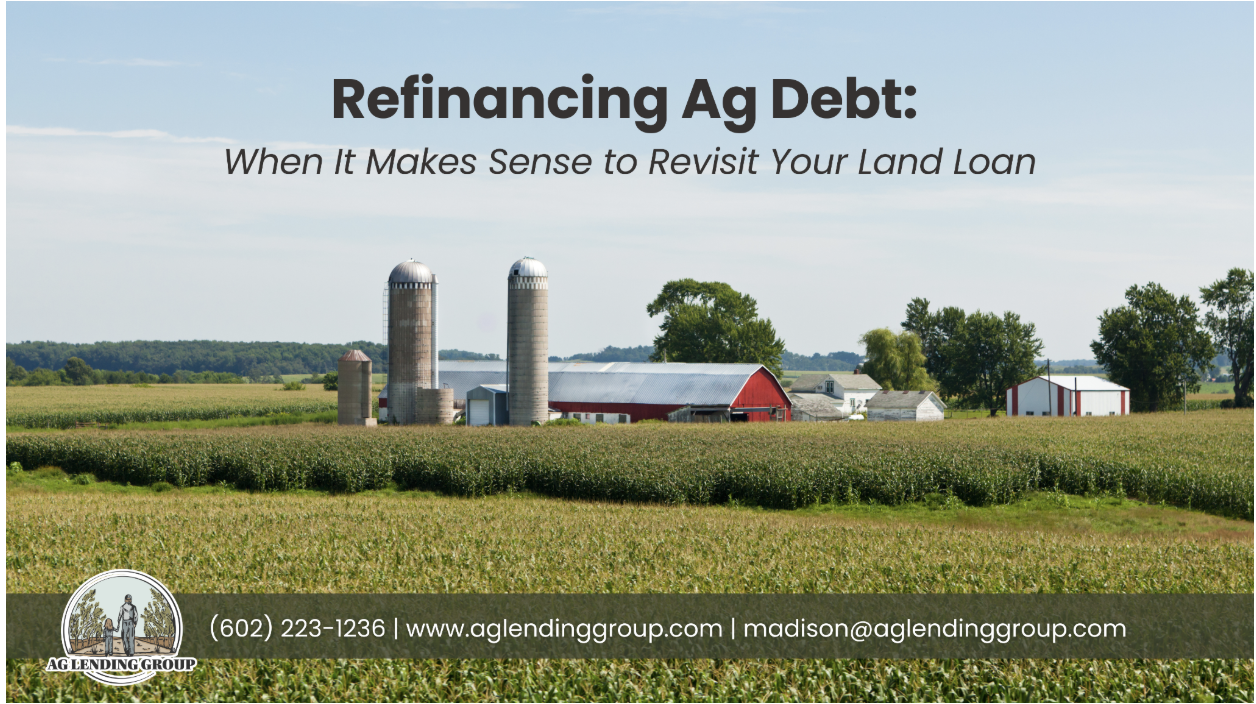
Refinancing Ag Debt: When It Makes Sense to Revisit Your Land Loan
Farming and ranching are long games. The loans that finance land, equipment, and operating expenses are often taken out with a long horizon in mind — but that doesn't mean…

Fixed vs. Variable: Locking In Rates on Your Next Farm Loan
This decision comes up on almost every land purchase and every major equipment loan, and there's no single right answer — but there is a wrong way to decide, which is picking whichever option has the lower rate today without thinking about what happens if conditions change over the life of the loan.
2027 Ag Economy Outlook: What It Means for Borrowing and Land Values
We closed out this series back in July talking about lining up harvest financing, and it feels right to end the year looking further out — not with predictions we can't actually back up, but with the handful of things worth watching as you plan next year's financing decisions.

Setting Next Year's Operating Line Before the Books Close
December feels like a strange time to think about next year's operating line — this year's crop is sold or in the bin, and next spring feels a long way off. But it's actually the best window we get all year, because you've got this year's real numbers in hand and enough runway before spring input purchases to actually plan instead of scramble.
1031 Exchanges: Deferring Taxes When You Sell and Buy Farmland
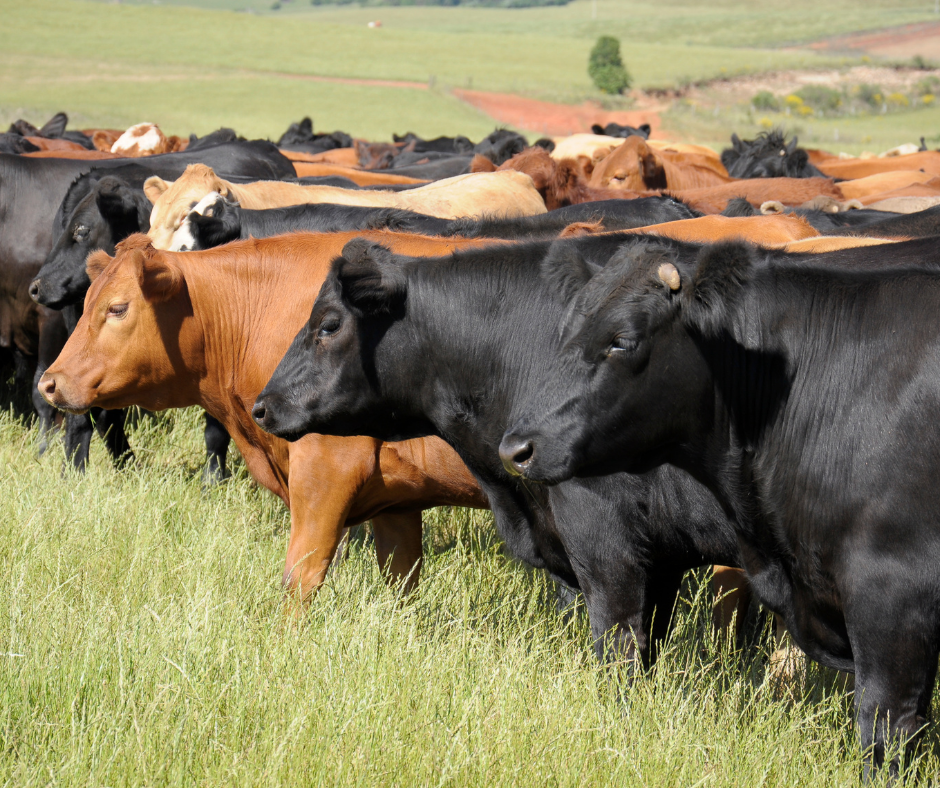
Land values in a lot of counties have climbed enough over the past decade that selling even an average-size tract can trigger a real capital gains bill. A 1031 exchange — named for the IRS code section — lets you defer that tax when you sell one piece of investment or business-use real estate and reinvest the proceeds into another, which for farmland sellers can mean the difference between a manageable transition and a tax hit that eats a big chunk of your equity.
Year-End Tax Moves Worth a Second Look Before You File
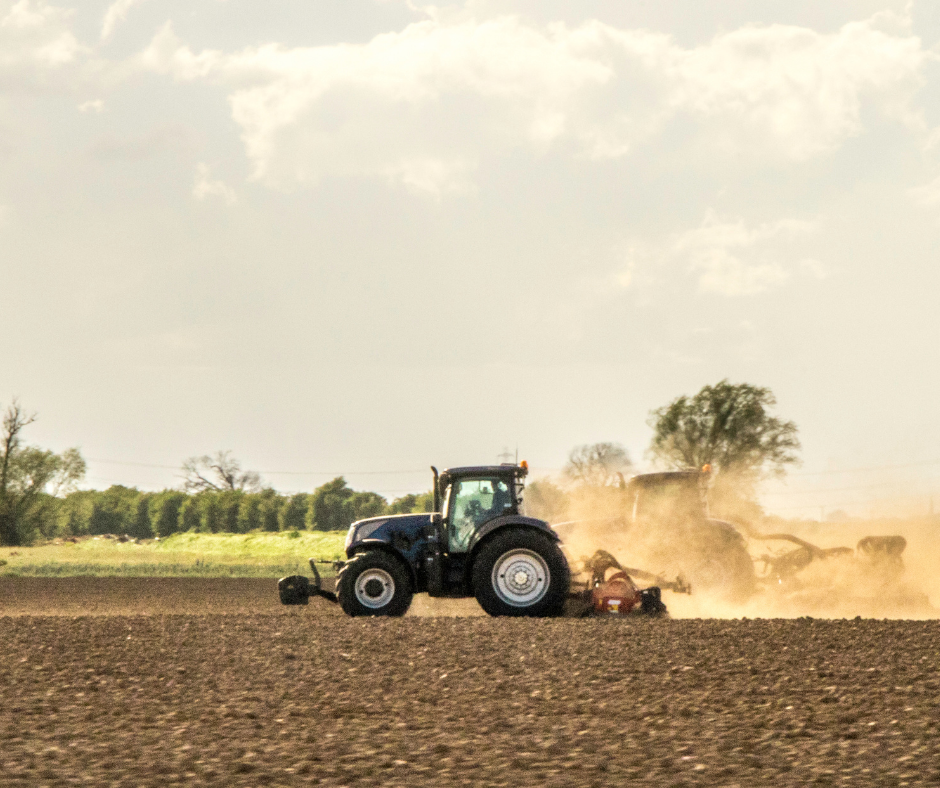
By late November, most of the year's decisions are already made — the crop's in, the marketing plan is mostly executed, and what's left is figuring out how the numbers land on paper. That's still worth real attention, because a handful of moves made before December 31 can shift your tax bill meaningfully, and we'd rather you make them deliberately than default into whatever happens automatically.

Land Purchase in an LLC or a Corporation? What to Weigh Before You Decide
This question shows up almost every time a farm expands or a family brings a new generation into ownership, and it's genuinely worth getting right, since unwinding an entity structure after the fact is far more expensive than setting it up correctly the first time.

Building the Financial Package Lenders Actually Want to See
We review a lot of financial packages, and the difference between one that moves through underwriting in a couple of weeks and one that drags for two months usually isn't the strength of the operation — it's how the information is put together. A strong farm with a messy package can take longer to approve than a modest farm with a clean one.
Beginning Farmer Loans: Financing Options for the Next Generation
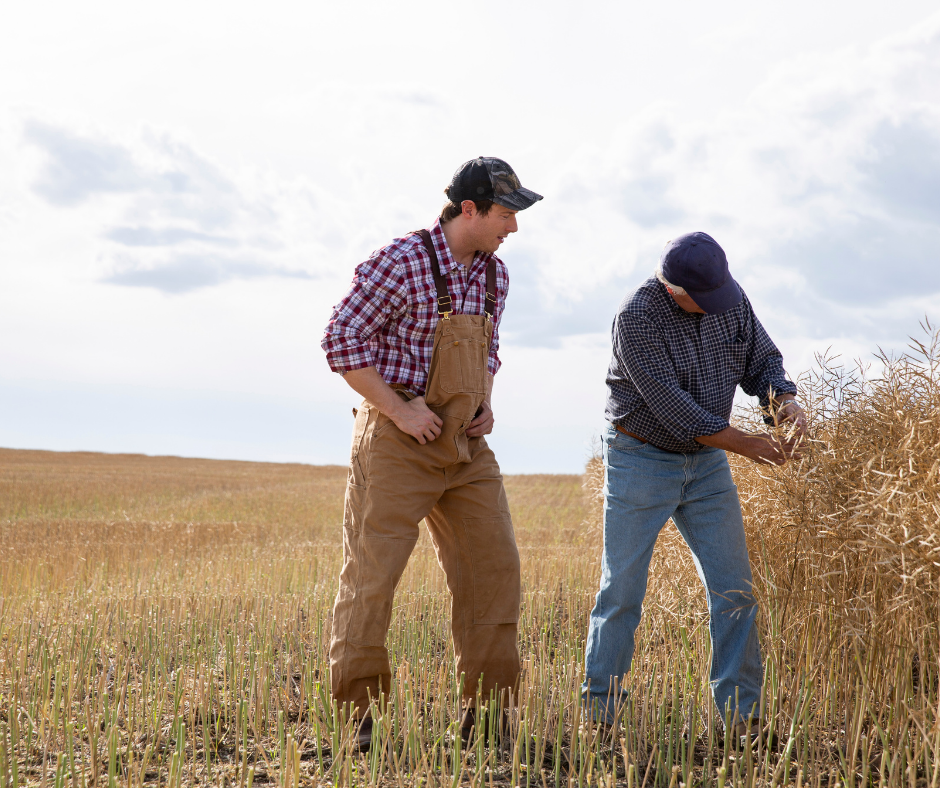
Getting started in farming without inherited land or equipment is genuinely hard, and the financing side is a big part of why. No credit history in the operation's name, limited collateral, and a business that's inherently risky in its first several years — on paper, a lot of beginning farmers look like a lender's worst nightmare. We don't see it that way, but we understand why the financing gap exists, and there are real programs built to close it.
How Interest Rate Moves Actually Hit Your Farm's Bottom Line
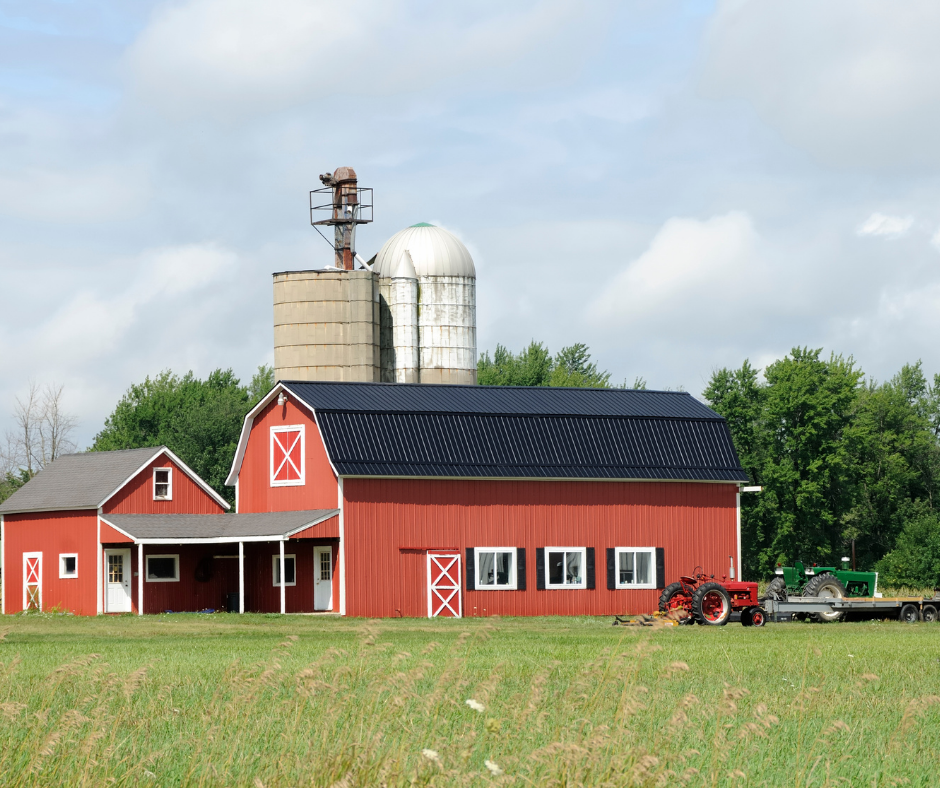
Every time the Fed makes a move, or even signals one, we get calls asking what it means for farm borrowing. The honest answer is: it depends more on your specific debt structure than on the headline number, and a lot of farmers underestimate how much a modest rate change actually shifts their annual debt service.
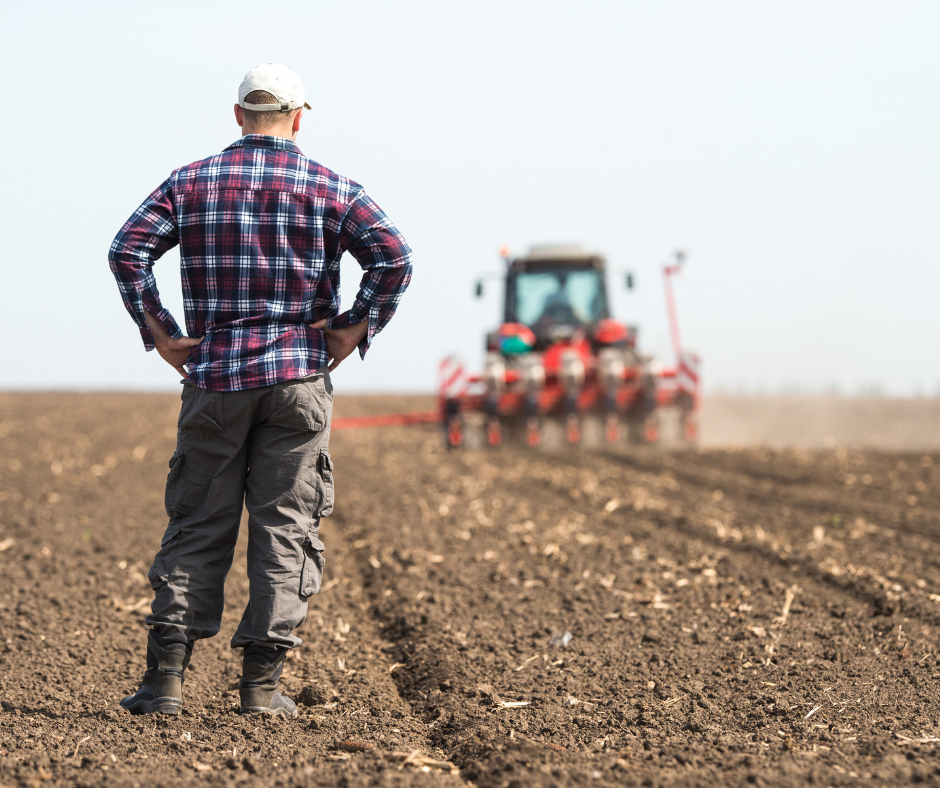
USDA Farm Loan Programs Explained
USDA's Farm Service Agency runs several loan programs, and the terminology trips people up more than the actual qualifications do. We field the same handful of questions on repeat, so here's the short version, and a note on how these programs typically work alongside what we offer.
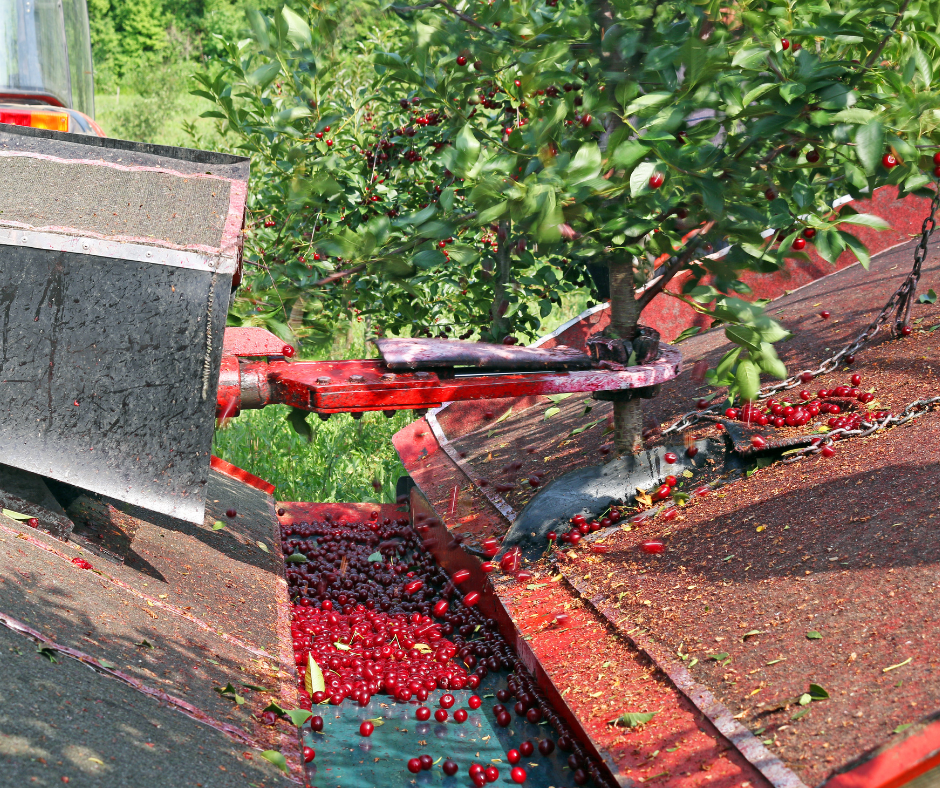
Cash Rent vs. Buying: Running the Numbers on Your Next Acre
This is one of the oldest debates in farming, and it doesn't have a single right answer — it depends on where cash rents sit in your area relative to land prices, how long you plan to farm, and how much you value control over flexibility. But it does have a right way to run the comparison, and a lot of operators skip straight past it to a gut call.

Succession Planning: Two Goals Every Farm Family Should Set
Succession planning conversations tend to stall for the same reason across very different families: everyone's talking about "the plan" as if it's one decision, when it's actually two separate sets of goals getting tangled together. Separating them tends to unstick the conversation faster than anything else we've seen work.
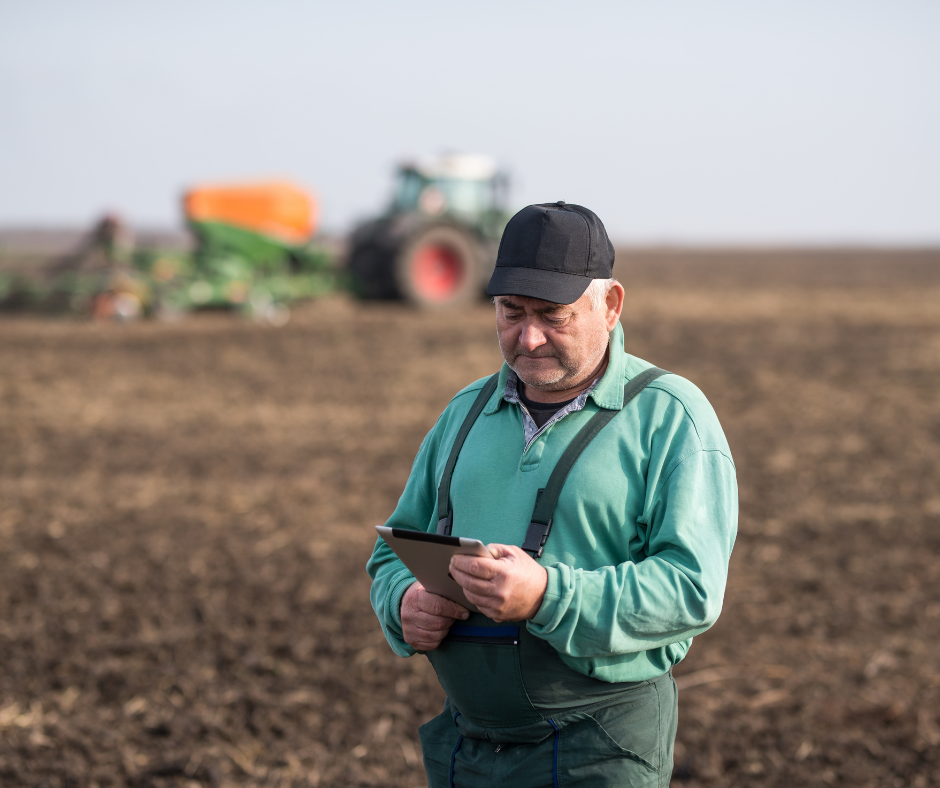
Reading Your Farm's Balance Sheet Like a Lender Does
Most farmers can tell you their yield, their cash rent, and roughly what the combine's worth. Fewer can walk through their own balance sheet and explain what a lender is actually going to focus on first. That gap is worth closing, because it changes how you prepare for a financing conversation instead of just reacting to whatever questions come up.
Crop Insurance and Your Loan: How Risk Management Affects Your Rate
When we underwrite an operating loan, one of the first things we look at, right alongside your balance sheet, is your crop insurance coverage. That surprises some first-time borrowers. Insurance feels like a separate decision from financing, made with a different agent, for different reasons. From where we sit, it's directly connected — your coverage level is one of the clearest signals of how much risk we're actually taking on alongside you.
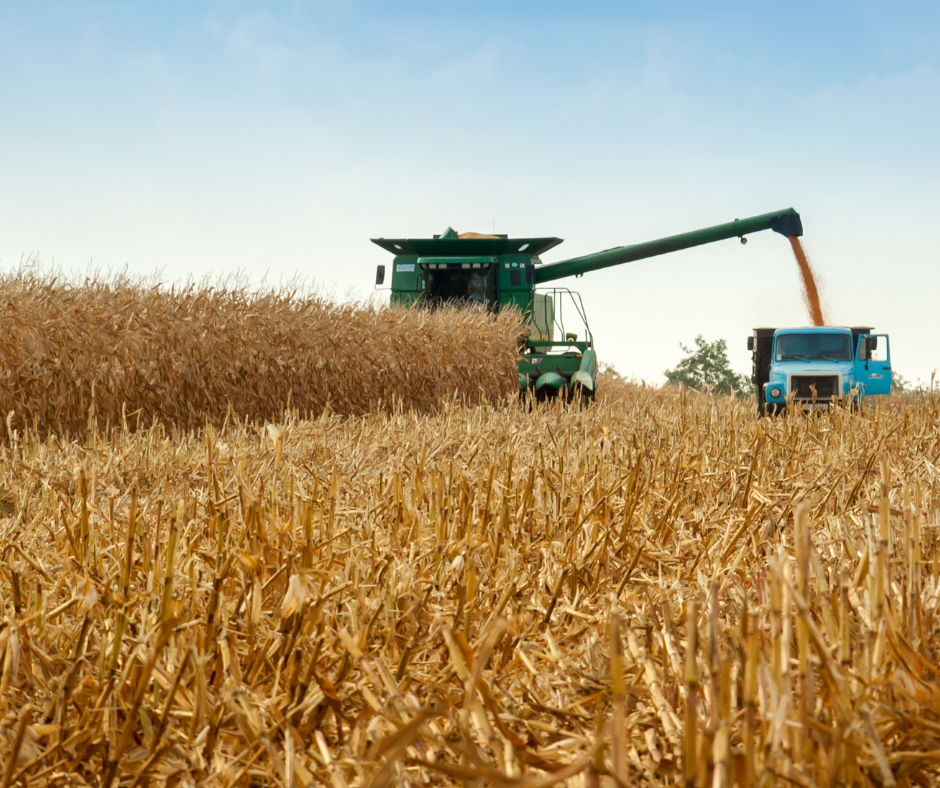
Buy, Lease, or Finance: Deciding How to Add Equipment This Fall
Fall is when a lot of equipment decisions get made — dealers are running end-of-year promotions, trade-in values are fresh in everyone's mind after a season of use, and there's often a tax-planning reason to move before December 31. That timing pressure is real, but it shouldn't be the thing that decides buy versus lease versus finance. Utilization and your actual tax position should drive that.
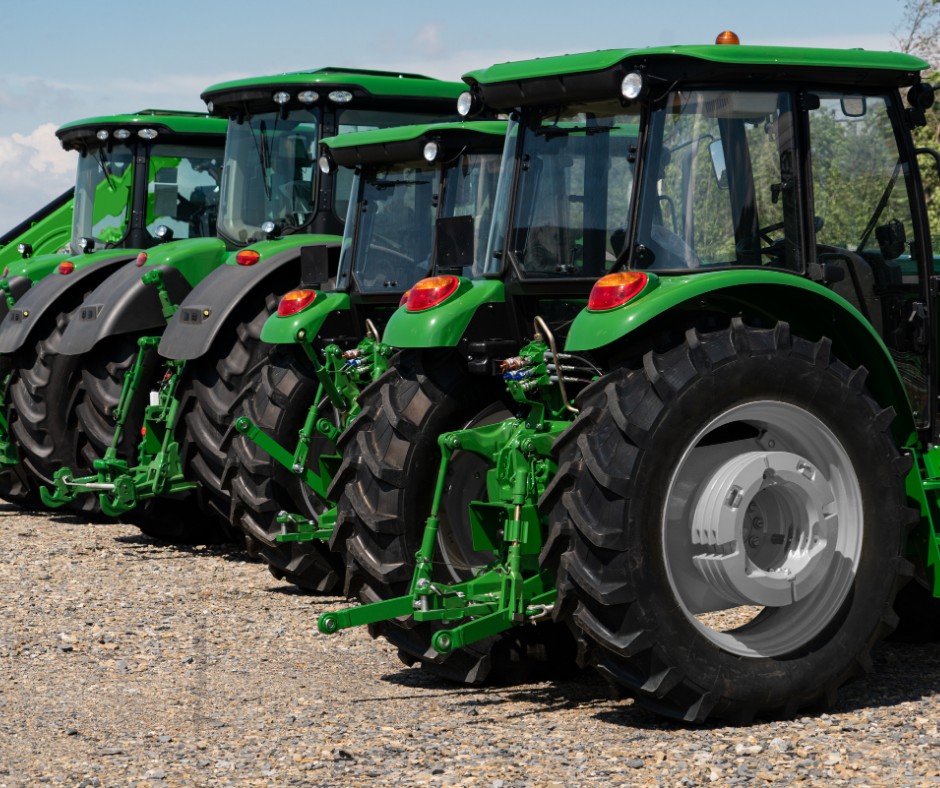
Understanding Your Farm's Debt-to-Asset Ratio (and Why Lenders Watch It)
Of all the numbers on a farm balance sheet, debt-to-asset ratio might be the most misunderstood. Some operators think it's the same as being "leveraged," full stop — as if any debt is bad debt. Others ignore it entirely because their land has appreciated so much that the ratio looks fine on paper no matter what they owe. Both takes miss what the number is actually telling you.